

From idea to market: what it takes to launch your own product
How to launch a product step by step: validate demand, industrialize, certify, import and sell. Learn from the real Roll Order case.
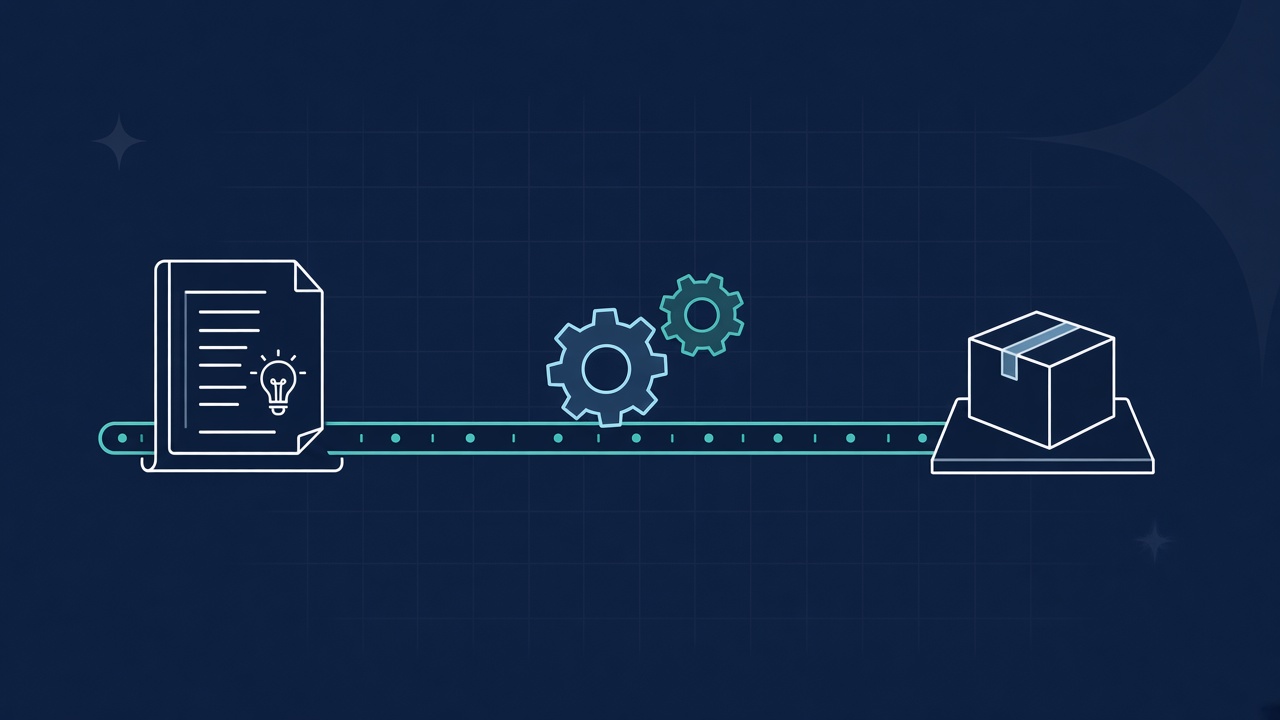
Having a product idea is not the same as having a business. Between the two there is a journey most people do not see until they walk it: validate, industrialize, certify, import and sell.
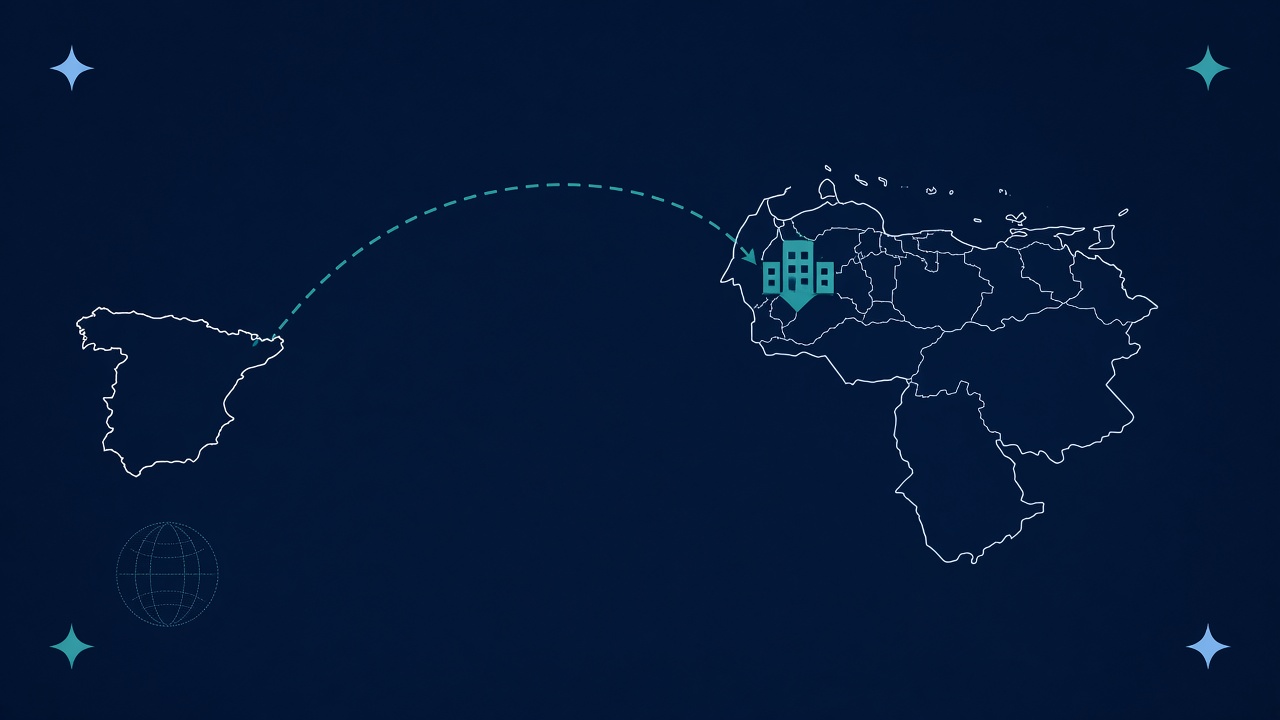
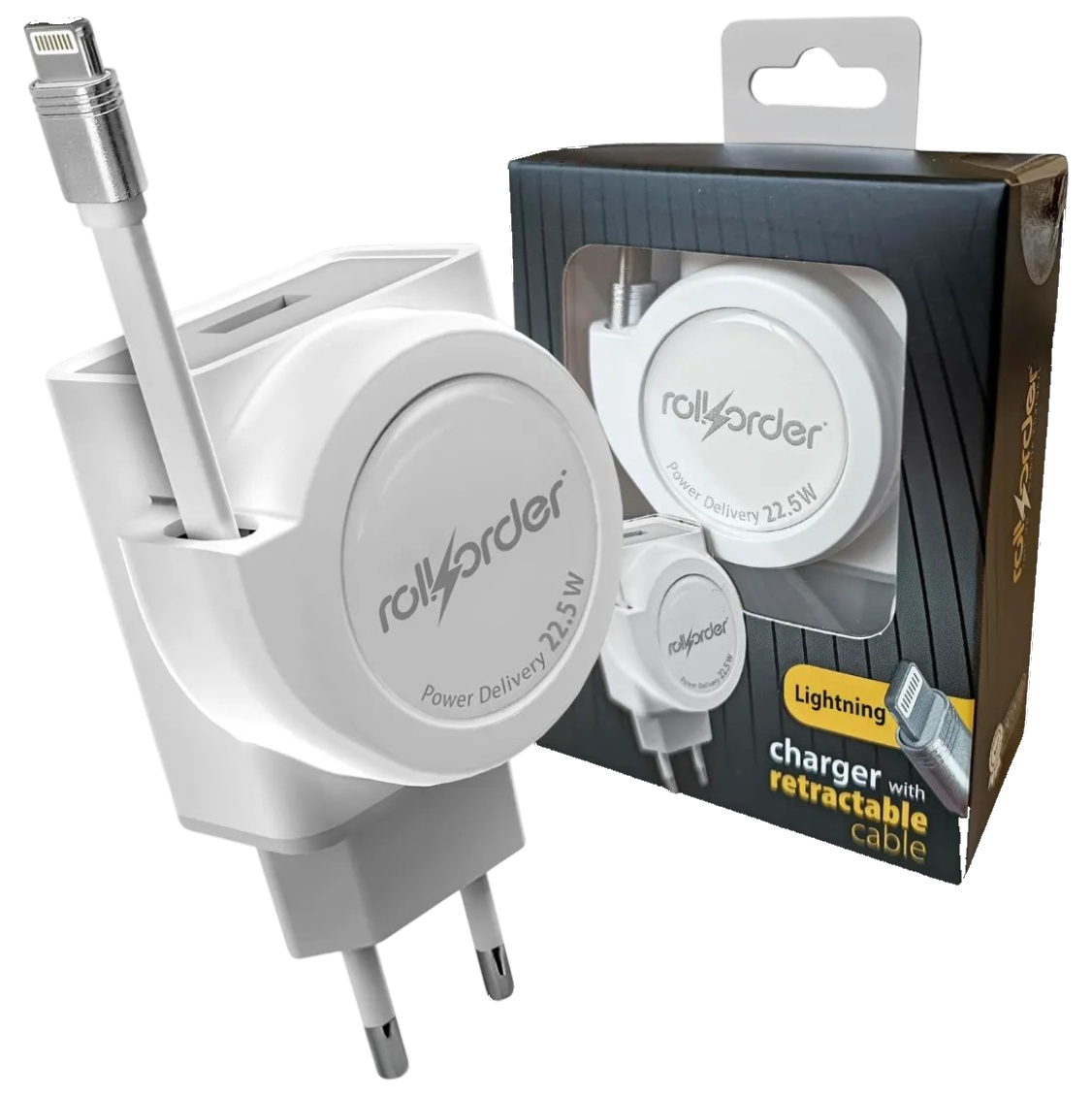
At Unicornio Azul we have walked the whole journey. The clearest example is Roll Order: it arrived as a patent document and reached the market as a product selling on Amazon, with a presence at CES in Las Vegas. This article explains what it really takes to launch your own product, without shortcuts and without fluff.
Why most products never reach the market
In Harvard Business Review, Clayton Christensen, Scott Cook and Taddy Hall put it plainly: about 30,000 new consumer products launch each year and more than 90% fail, after a great deal of money has already been spent trying to understand the customer. The failure is rarely “it could not be made”. It is failing to connect demand, cost and channel.
In the same article they cite Nielsen: of 3,463 packaged-goods launches in one year, only 71 sold more than $50 million. Looking different is a poor predictor of success. What counts is whether the product helps with a job people are already trying to do.
A product without a journey is an idea with an invoice. The value is in connecting the whole path, not in a single task.
What it takes to launch a product
Launching a product is not an event, it is a process in three phases: pre-launch, launch and post-launch. If you skip one, you pay for it later.
Phase 1. Pre-launch: validate before manufacturing
Before spending on molds, stock or factories, you have to answer one question: does anyone want to buy this? The sources in this phase are the same ones we use to validate any business idea: real demand, interviews, competition and an MVP.
But with a physical product there is something more: technical and economic viability. One thing is for the idea to be liked, another is for it to be manufacturable at a cost that leaves margin. In Roll Order, before producing we validated what the market asked for (color, connectors) by analysing real sales data on Amazon, across six countries.
Phase 2. Industrialization: from prototype to manufacturable product
This is where the idea becomes something that can be produced at scale. It involves decisions you do not see at first glance:
- Who manufactures and where: evaluating factories, real capacity and reliability.
- Molds and tooling: the hidden cost that brings the most surprises.
- Certifications: CE, RoHS and the category-specific ones. Without them, the product does not enter most markets.
- Real costs: production, packaging, freight, tariffs and taxes.
In Roll Order, the mold was secured for a fraction of the quote the client had found on their own. That is the kind of difference that managing this phase well makes.
Phase 3. Go-to-market: channel, listing and projection
A finished product does not sell itself. It needs a channel. For most physical products today, that channel is Amazon or a marketplace, but there are also decisions about brand, price and positioning. On Amazon Spain, referral fees for most categories sit between 8% and 15% of the selling price. If that is not in the margin from the listing, the launch is already lame.
In Roll Order, the launch included the Amazon listing, the first campaigns and international projection: the product was presented in the innovation zone at CES Las Vegas, alongside the client, supporting the commercial management.
The full journey, at a glance
From idea to market there are five links. If one fails, the chain breaks:
- Patent or idea — protected, but with no product yet.
- Industrialization — factory, molds and viable costs.
- Market — certification, import and sales channel.
- Projection — brand, price and international visibility.
The value is not in one link, but in connecting all of them. Whoever only designs does not launch. Whoever only manufactures does not sell. The result appears when the journey is complete.
What you can apply to your product today
If you have a product idea, do not start by manufacturing. Start with these three questions:
- Is there real demand or just intuition?
- Can it be manufactured at a cost that leaves margin?
- Through which channel will you sell, and who will buy it?
When you have answers backed by data, not opinions, you will be ready for the next step. Until then, every euro you invest is a blind bet. That work is opportunity analysis and the business model before industrialization.
If you want to walk this path with someone who has already done the whole thing, tell us about your project. We will analyse it from real viability, not intuition.
Informational article updated in September 2026. It does not constitute legal, tax or financial advice, nor a guarantee of viability. Regulatory and commercial conditions must be verified for each operation.
By Luis Chicharro
Shall we talk about your project?
If you are working on something similar, tell us about it and we will look at it from real experience, not theory.