
How to validate a business idea before investing
Learn how to validate a business idea with no money: real demand, free market research, MVP and pre-sales. Know if your idea is profitable before you spend.

Most business ideas do not fail because of a lack of effort. They fail because nobody validated, before investing, whether anyone was willing to pay for them.
The good news is that validating a business idea does not require money. It requires method. You can find out whether an idea deserves your time, your money and your energy before spending a single euro.
Never fall in love with an idea before you validate the market.
Why validate before you invest
When we invest first and validate later, the order is wrong. Building a website, taking a loan, manufacturing stock or signing a lease are expensive decisions made with a certainty that does not exist yet.
Validating a business idea before investing is the exact opposite: first you gather evidence that there is a real problem, people actively looking for a solution, and a willingness to pay. Only then do you commit resources.
The data confirms it. According to CB Insights, 42% of startups that fail do so because there was no real market need. Not for lack of money, not because of a bad team: because nobody wanted to buy what they were offering.
An opinion is not validation. A “like” is not validation. Validation is someone paying, signing up, or putting money down in advance.
The 3 questions you must answer
Before spending anything, your idea has to pass three questions. If the answer to any of them is “I don’t know”, it is not time to invest yet.
1. Does the problem exist?
Is there anyone with the specific pain your idea solves? If the problem does not hurt enough, nobody will move to solve it.
2. Are they actively looking for a solution?
Is that person spending time, money or effort trying to solve it today? A problem nobody is trying to solve is, in practice, a problem that does not exist.
3. Would they pay for your solution?
Is your offer better, cheaper or more accessible than what they already use? Willingness to pay is what separates a hobby from a business.
How to validate a business idea with no money
This is where most people get stuck thinking they need a budget. They do not. These are the ways to gather real evidence at almost zero cost.
1. Study demand with free tools
Before talking to anyone, check whether people already search for what you want to offer:
- Google Trends: tells you whether the trend is rising, flat or falling.
- Google Ads Keyword Planner: gives you monthly search ranges in your market.
- Google autocomplete: type your idea and see what it suggests. Those are real searches.
You do not need millions of searches. You need real, sustained demand. A small niche with clear intent can be more profitable than a huge, saturated one.
2. Find where people already talk about the problem
Go to Reddit, specialised forums, Facebook groups or Telegram. Look for people complaining about the problem, asking for recommendations or sharing frustrations. Every complaint is a clue that the pain exists.
3. Talk to real customers
This is the most uncomfortable and the most useful step. Talk to 10-20 people who fit your ideal customer. Do not ask “do you like my idea?” because everyone will say yes. Ask about their problem, how they solve it today and what it costs them.
Friends’ opinions do not count. Conversations with people who owe you nothing do.
Validate with an MVP, not a perfect product
An MVP (minimum viable product) is the simplest version of your idea that lets you learn something real from the market. It is not a half-built product: it is the cheapest experiment to test product demand and answer your biggest question.
It can be a landing page with a form, a mockup, a manual service behind a simple website, or a video explaining the offer. The goal is not to sell a lot, but to measure whether anyone reacts.
The strongest test: pre-sales
Trying to sell before the product is finished is the strongest validation there is. If someone is willing to pay in advance or reserve something that does not exist yet, the demand is real.
That is not opinion. That is money. And money does not lie.
How to know if your business idea is profitable
Validating is not just proving there is interest. It is also checking that the numbers add up. Before investing, answer three viability questions:
- What does it cost to produce or deliver the service?
- At what price can it be sold?
- How many units or customers do you need to cover costs?
If being profitable requires selling an unrealistic volume, the idea is not ready. Better to find out with a spreadsheet than with money already committed.
What to do with what you discover
At the end of the process you have four possible outcomes: discard the idea, change it, keep researching, or move forward. All four are good results if they arrive on time.
The cost of validating is time and a little discomfort. The cost of not validating is a whole investment in something nobody wanted to buy.
How we apply this at Unicornio Azul
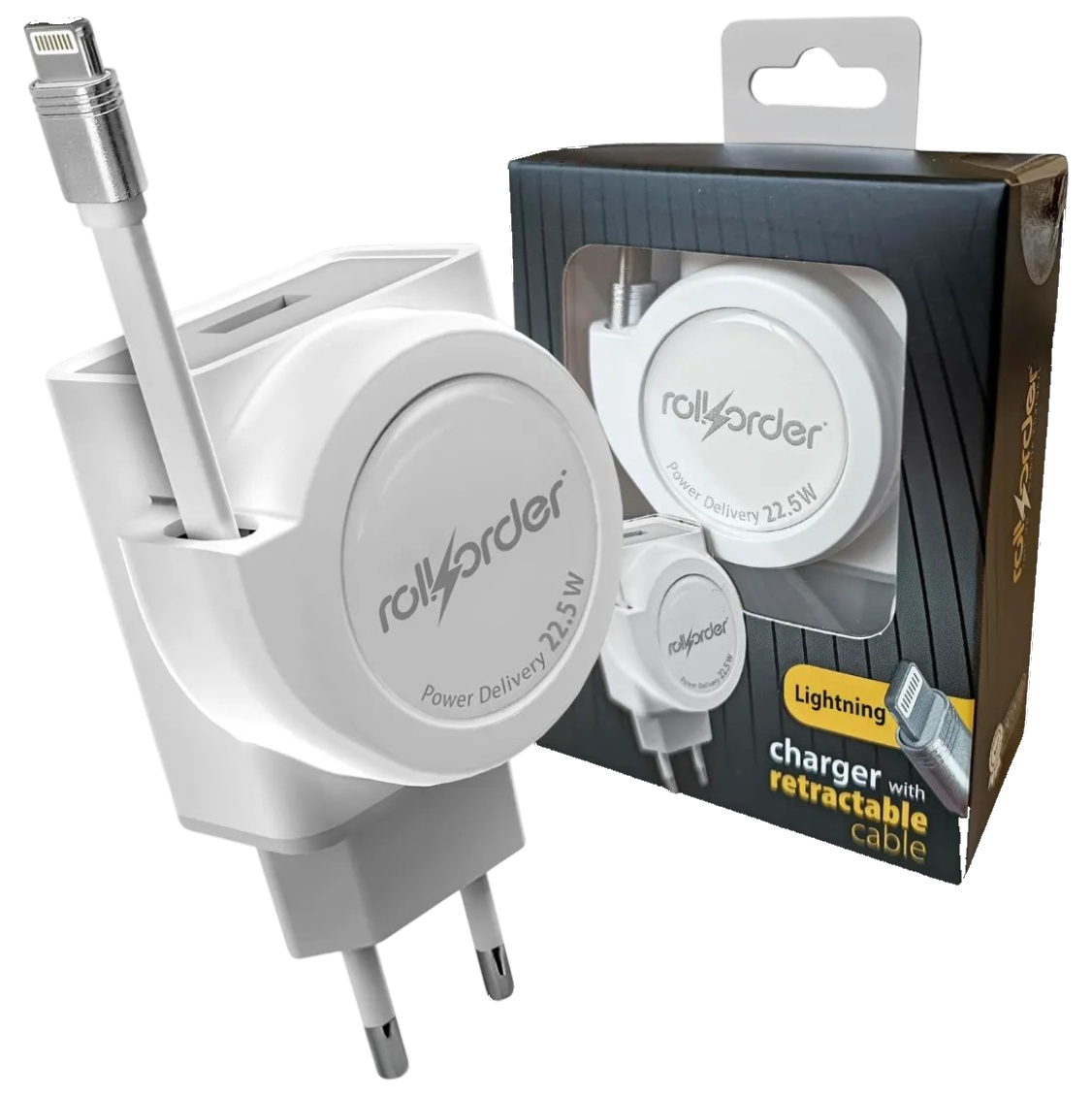
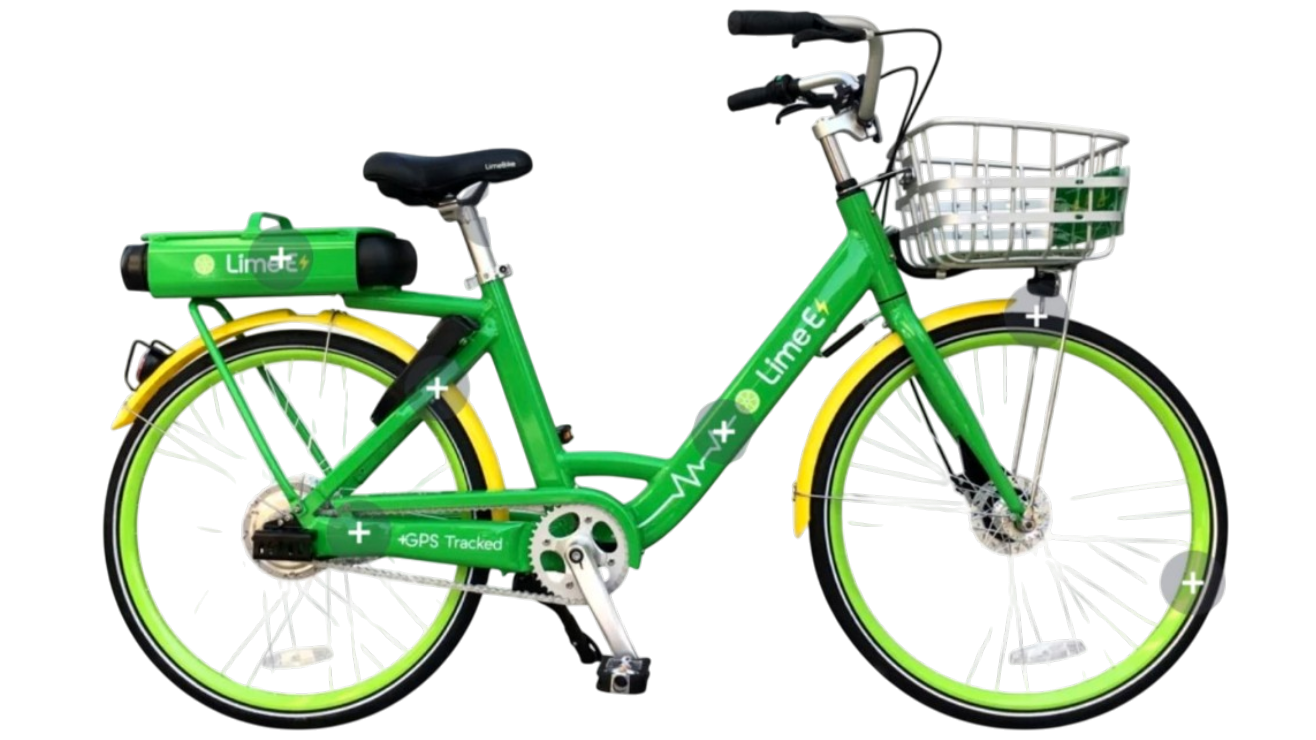
In projects like Roll Order or the electric bike, the value was not in executing fast, but in validating before manufacturing: what the market asked for, at what cost, with what certifications and with what margin. That is the difference between investing with data and investing on faith. It is the same approach we use for validating ideas and markets.
If you have an idea and want to know whether it is worth pursuing before you invest, tell us about your project and we will look at it from real demand, not intuition.
Informational article updated in September 2026. It does not constitute legal, tax or financial advice, nor a guarantee of viability. Regulatory and commercial conditions must be verified for each operation.
By Luis Chicharro
Shall we talk about your project?
If you are working on something similar, tell us about it and we will look at it from real experience, not theory.